How to prepare your plumbing for summer in Riverside
Riverside summers push your plumbing harder than any other season. Here is exactly how to prepare your pipes, water heater, and drains before the heat hits.
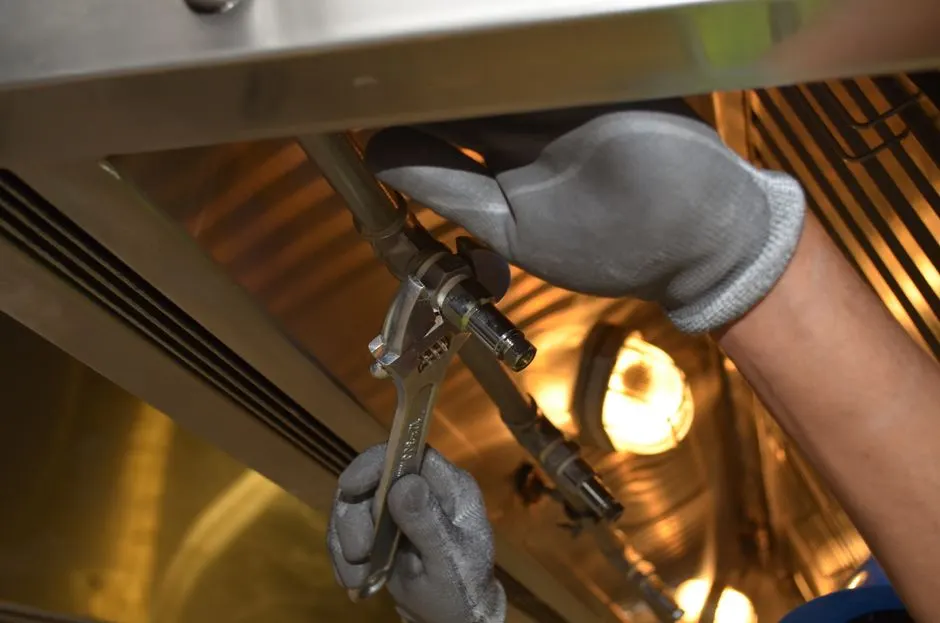
You prepare your plumbing for summer in Riverside by flushing the water heater, checking every supply line and shut-off valve for leaks, clearing drains before heavy use, and confirming your irrigation system is not stressing your water pressure. Do those four things in April and May, and you avoid most of the calls we run from June through September.
Riverside is not Palm Springs hot, but it is close. From late May through September, daytime temperatures sit between 95°F and 108°F, and the ground around your foundation can hit 90°F or higher. That kind of heat does things to plumbing that winter never does. Here is what to check, in order, before the first heat wave.
Why Riverside summers are hard on plumbing
Riverside summers are hard on plumbing because the combination of extreme heat, hard water, and dry soil puts three different stresses on the same system at the same time. Water heaters work harder. Pipes expand and contract more. Soil shifts. And your water use nearly doubles once irrigation season starts.
Riverside water comes from the Colorado River and local groundwater, and it runs hard - typically 8 to 12 grains per gallon of hardness. That calcium and magnesium settles inside your water heater tank, your fixtures, and your pipes year-round. In summer, when the water heater is running hotter and longer, that scale builds faster. A tank that was fine in March can be popping and rumbling by July.
The soil matters too. Riverside sits on expansive clay in many neighborhoods, especially in older parts of town like Wood Streets and the Eastside. That clay swells when it is wet and shrinks when it dries. Summer dries it out fast, and the movement puts stress on buried lines. If you have ever wondered why slab leaks seem to show up in August, that is usually why.
Flush your water heater before the first heat wave
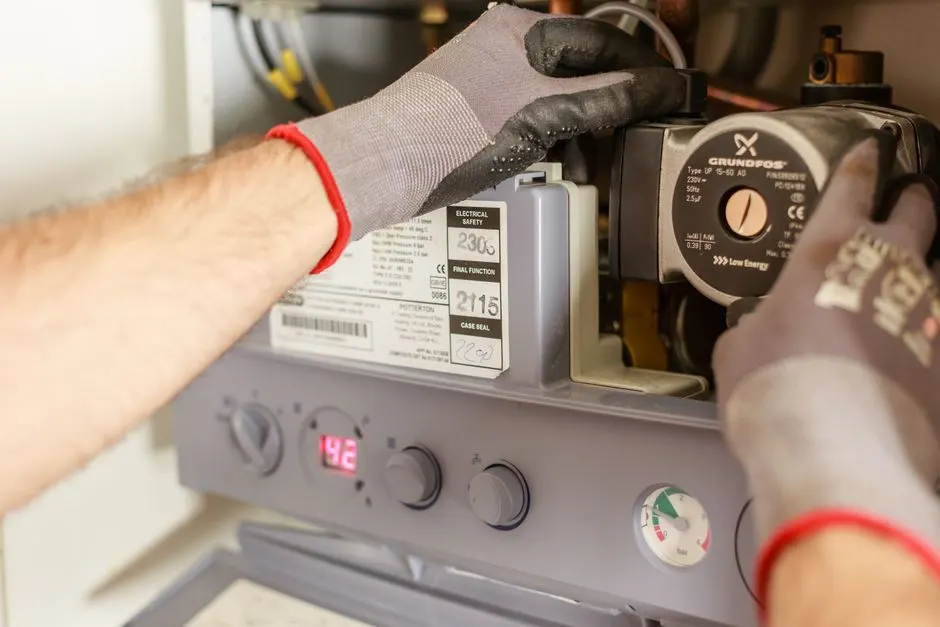
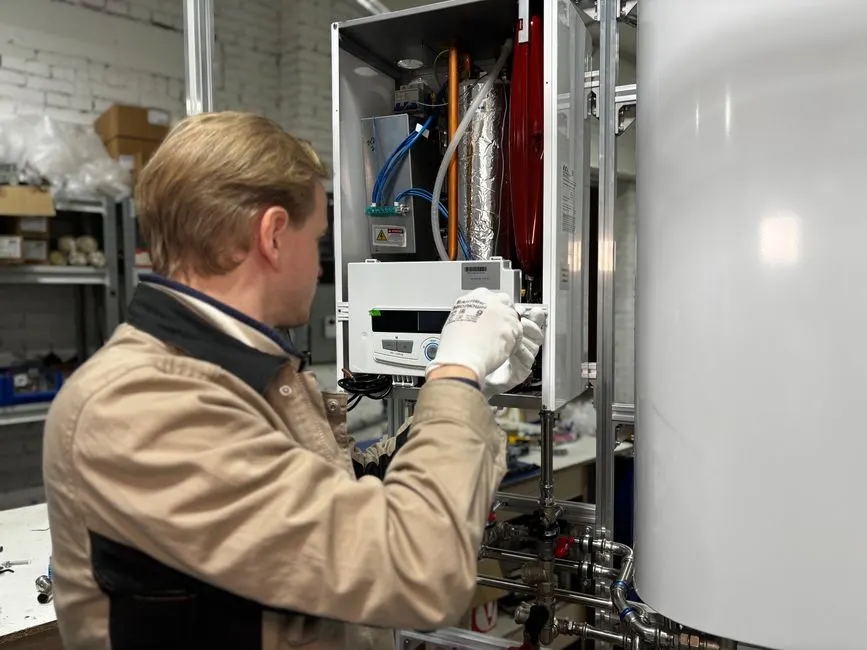
Flush your water heater every 12 months, and do it in spring so the tank enters summer clean. This is the single most important summer plumbing preparation step in Riverside, because your water heater works harder here than in almost any other California market.
Here is what a proper flush looks like:
- Shut off the gas or power to the unit.
- Connect a hose to the drain valve at the bottom of the tank and run it to a safe drain or outside.
- Open the drain valve and let the tank empty. You will see cloudy water and white grit come out first - that is the scale.
- Open the cold-water inlet briefly to stir up sediment, then drain again.
- Close the valve, refill the tank, and relight or repower the unit.
If you have never flushed a tank that is more than six or seven years old, do not do it yourself. Opening the drain valve on a tank full of scale can dislodge a chunk that blocks the valve or exposes a rusted bottom. We see this every spring. If your tank is past its warranty and rumbling, it is usually smarter to plan a Water Heater Installation Riverside CA before it fails in July than to flush it and hope.
While you are at the water heater, check the temperature setting. The default on many tanks is 140°F, which is hotter than you need and costs more to maintain in summer. Set it to 120°F. That is hot enough for showers and dishes, and it slows scale buildup.
Check for leaks before irrigation season starts
Check every visible supply line, shut-off valve, and hose bib in April, before you turn the irrigation back on. Summer water pressure in Riverside runs 60 to 80 PSI in most neighborhoods, and when irrigation kicks on in the evening, that pressure drops and surges. Old valves and fittings that held fine all winter start weeping under the cycling.
Walk the house and look at these spots:
- Under every sink - check the cabinet floor for staining or soft wood.
- Behind the washing machine - the hoses and the valve box.
- At the water heater - the T&P valve and the fittings on top.
- Every outdoor hose bib - turn each one on and watch the stem.
- The main shut-off at the meter or at the house - make sure it actually closes.
If you find a dripping valve or a slow leak under a sink, that is a straightforward fix and worth doing now. A Plumbing Repair Riverside CA call in April costs far less than the same call in August when a supply line finally lets go and floods a cabinet.
One more thing: know where your main shut-off is and test it. In a real emergency, you have about 30 seconds to stop the water. If the valve is stuck or you cannot find it, that is a problem worth solving before summer.
Clear drains and sewer lines before summer
Clear your drains and have your main sewer line checked before summer, because summer is when your household uses the most water and the drains have the least margin. Between showers, laundry, dishes, and irrigation, a line that is 70% blocked in April will back up in June.
Riverside's older neighborhoods - Wood Streets, the Eastside, parts of Arlington - still have original cast iron and clay sewer laterals in some blocks. Those lines are 50 to 80 years old. They crack, they root, and they sag. Summer heat dries the soil, the ground shifts, and a line that was draining slowly all spring stops draining altogether.
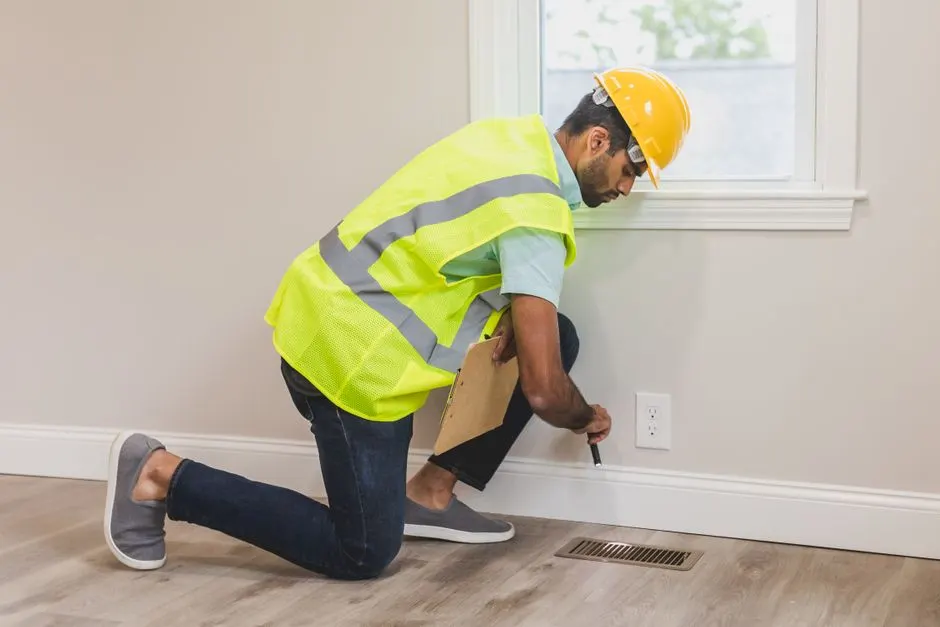
If your drains are slow, gurgle, or smell, get them looked at now. A camera inspection takes about 30 minutes and tells you exactly what is in the line. If it is grease and soap scum, Hydro Jetting Riverside CA clears it back to bare pipe. If it is roots or a break, you need to know that before it becomes an emergency. For routine slow drains, Drain Cleaning Riverside CA is usually the right first call.
Do not pour chemical drain cleaner down a slow drain in summer. It eats through the clog sometimes, but it also sits in the line and corrodes older pipes. We have pulled plenty of cast iron that was paper-thin from years of chemical use.
What plumbing issues happen in summer in Riverside CA?
The most common summer plumbing issues in Riverside are water heater failures, slab leaks, irrigation-related pressure problems, and sewer backups. Each one has a specific cause tied to heat and water use.
Here is what we run calls for between June and September, in rough order of frequency:
- Water heater failure. Sediment overheats the tank bottom, the tank cracks, and you have a puddle in the garage. This is the number one summer call.
- Slab leaks. Hot soil shifts, buried copper lines stress, and a pinhole leak starts under the foundation. You notice a hot spot on the floor or a water bill that jumped $80.
- Irrigation pressure drops. A failing pressure regulator or a broken irrigation valve drops house pressure to the point where showers go cold when the sprinklers run.
- Sewer backups. More water in the house plus a partially blocked line equals a backup. Usually in the lowest drain - a laundry standpipe or a downstairs shower.
- Toilet and faucet failures. Heat and hard water wear out flappers, fill valves, and cartridges faster. A toilet that runs all summer can add $30 to $50 a month to your bill.
If you are in one of the newer developments east of the 215, your plumbing is likely PEX and your sewer is PVC, so you will see fewer root and corrosion problems. If you are in an older part of Riverside, expect the opposite. We work both sides of town and the failure patterns are genuinely different.
Common mistakes we see every summer
The biggest summer plumbing mistake is waiting until something fails to look at it. Every year we get calls in July from homeowners who noticed a small leak in May and figured it would hold. It did not.
Here are the others:
- Turning the water heater up to compensate for a failing tank. If your hot water runs out faster than it used to, the tank is scaled up or the dip tube is broken. Turning up the thermostat just makes it fail faster.
- Ignoring a rising water bill. A $40 jump with no change in habits is a leak. Usually a toilet flapper, sometimes a slab leak. Find it before it becomes a $3,000 repair.
- Running irrigation and showers at the same time. In older Riverside homes with 3/4-inch service lines, this drops pressure enough to cause water hammer and stress every valve in the house.
- Skipping the sewer camera because the drains "seem fine." Slow drains are the warning. Full backups are the result. A camera inspection is cheap insurance.
- Letting a hose bib drip all summer. That is a $15 repair that becomes a $400 repair when the valve stem finally snaps and you cannot shut the water off.
When to call a professional
Call a professional when you see water where it should not be, when your water heater is over 10 years old and rumbling, when a drain backs up more than once, or when your water bill jumps without explanation. Those are the four signals that separate a DIY fix from a real problem.
We handle all of it. Our team at Bolt Plumbers in Riverside CA runs full Plumbing Riverside CA service - water heaters, drains, sewer lines, slab leaks, gas lines, repiping, and water filtration. We give you a flat price before we start, and we do not leave until the problem is fixed and tested.
If you are in one of the surrounding communities, we cover those too. We run calls in Corona CA plumber territory regularly, and the same summer issues show up there - hard water, hot soil, aging lines.
Frequently Asked Questions
How do I prepare my plumbing for summer in Riverside?
Flush your water heater, check every supply line and shut-off valve for leaks, clear slow drains, test your main shut-off, and have your sewer line camera-inspected if it is older than 30 years. Do this in April or May, before the first 100°F day.
What plumbing issues happen in summer in Riverside CA?
Water heater failures top the list, followed by slab leaks, irrigation-related pressure drops, sewer backups, and worn toilet and faucet parts. Heat, hard water, and heavy summer water use all hit the same system at once.
Should I flush my water heater before summer in Riverside California?
Yes. Flush it every 12 months, ideally in spring. Riverside water runs 8 to 12 grains per gallon hard, so sediment builds fast. A clean tank runs cooler, lasts longer, and costs less to operate through summer.
How often should I get plumbing maintenance in Riverside?
Once a year for most homes, and twice a year if your home is over 40 years old or has original cast iron drains. A yearly inspection catches small leaks, worn valves, and slow drains before they become summer emergencies.
How much does summer plumbing maintenance cost in Riverside?
Typical 2026 pricing in Riverside runs $150 to $300 for a standard maintenance visit, $75 to $150 for a water heater flush, and $250 to $450 for a sewer camera inspection. Repairs are quoted separately before work begins.
Get help with Plumbing in Riverside
Summer in Riverside is hard on plumbing, but none of it is a surprise. Flush the tank, check the valves, clear the drains, and you will skip most of what we get called for in July and August.
If you would rather have someone do it right the first time, call Bolt Plumbers in Riverside CA at +16149578979. We will inspect the system, tell you what actually needs attention, and fix it before the heat does.